July 12, 2009

OSI: Thinking


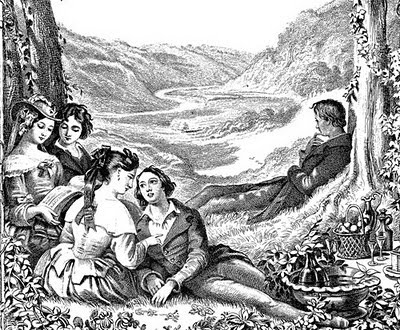
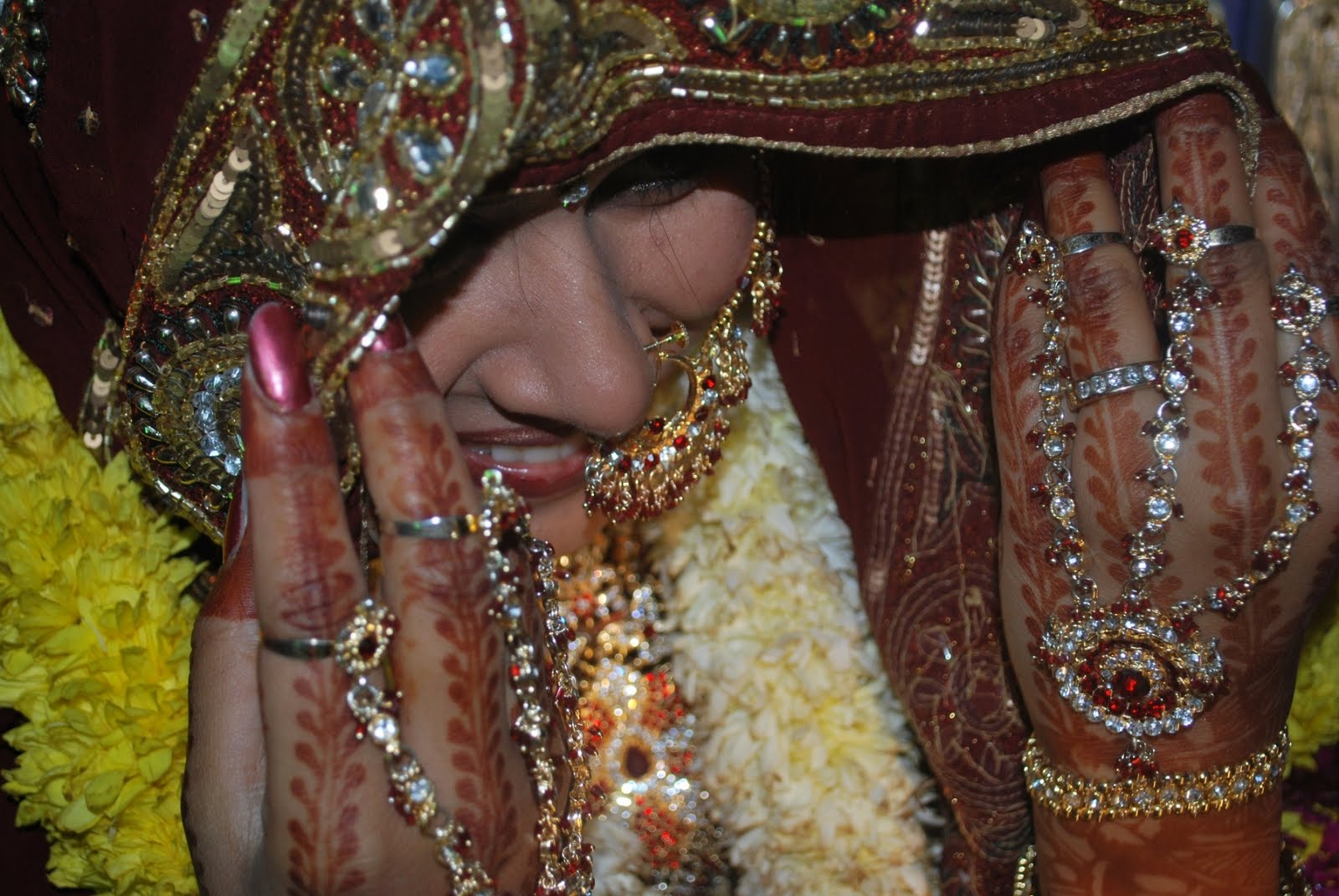
These pictures have earlier been published in my post titled Perspective.

Do you like poetry?
If you do, One Single Impression is a community of poets writing and sharing Haiku and other poetic forms every week. Here is my contribution to the prompt of this week: Thinking.

1.
Today, I sit in my room thinking...

Why so many conflicts, disease and pain?
Grieving and suffering, who is to gain?
Why so much hate, killing and warfare?
How long can we bear, without a prayer?

Freedom, why only some enjoy its beauty?
And the rest live in fear, while in captivity,
So many children hungry and dying, not fair,
There's no peace in this world, does anyone care?

2.
Stepping outdoors, I am thinking…

How lovely is the flitting butterfly!
The transitory clouds and the blue sky,
Beautiful flowers I find in full bloom,
Greeting me with their sweet perfume!

On the mountains I see glistening snow,
Enthralling are the colors of the rainbow,
How wonderful is this brand new day!
All’s perfect, and I run to join my friends to play!!


Some of my other OSI posts:

July 9, 2009

Roadtripping Sahyadris: Part 3

Mumbai - Andheri - Varsova - Thane - Shahpur -
Kasara Ghats - Nasik - Sinnar


An Evening in Sinnar

Clouds come floating into my life...
to add color to my sunset sky
~ Rabindranath Tagore

As of now on this day, I completed a journey of 185 kms on the two-wheeler and so looked out for a place to settle down as it began to get dark.

And thus I reach this sleepy town called Sinnar where I find more cattle on the road than vehicles...

After quickly freshening up at a small motel following that long ride, I decide to go out to stretch my legs and find the sun getting ready to set...

The evening is magical and it is a captivating sight to watch the photons of yellow and orange scattered through the atmosphere and reflecting the colors on the road...

I get a shot of the delightful hues of the twilight sky with a bus in the foreground as it sped by...

I also get a capture of a BEST bus chasing it...

Finally it is back to the motel to retire for the night.


For skies around the world, do visit Sky Watch Friday here.

....... to be continued

Previous Related Posts:

July 6, 2009

Roadtripping Sahyadris: Part 2

In this post:
Thane - Shahpur - Kasara Ghats - Nasik - Sinnar

"Does the road wind uphill all the way?
Yes, to the very end.
Will the journey take the whole long day?
From morn to night, my friend."
- Christina Rossetti

Passing through Shahpur and Bhiwandi on the NH-3, a view of the Sahyadri hills through the fog...

Kasara Ghats, overlooking the bridge at the railway intersection, from where trekkers proceed to the village of Bari to scale the Kalsubai peak...

Appreciating the precious moments of the early morning when the sky turns blue and wisps of clouds hover...

Brighter lights of another new day...

With the sun rising up, so does the temperature and here's a site of an accident through which a passerby nonchalantly walks past...

A bit of guidance and a word of caution at the crossroads from an uniformed person resting on the edge of the road...

Approaching Nasik, I can almost hear the cab driver think he could easily accommodate a few more people in his crowded cab..

A tiny village near Nasik on the National Highway Number 3...

A temple in the far distance in the backdrop of the Sahyadri hills...

An endearing sight of the Sinnar locals in their white traditional clothes with Rhododendron and Gulmohar trees in the background...


....... to be continued

Previous Post:

June 27, 2009

Roadtripping Sahyadris: Part 1

In this post:
Mumbai - Andheri - Varsova - Thane

If you have a long weekend to spend away from home, what would you do and where would you go?

Have you ever begun a journey not knowing where you want to reach? You may ask, ‘If you don’t know where you’re going how will you know you’ve arrived?’ That question may sound good for a group discussion, but for me, I didn’t need an answer as I got an opportunity to set out on an unexpected journey last month.

Without planning on proper gear, attire, accommodation, or any other details except carrying a small backpack with bare essentials and loads of enthusiasm, I set off as a pillion rider on a motorbike.

It began on an early morning even before seeing the lights of dawn. Then ended up in .....wait. Follow me for the next few posts and I'll share this journey with a few photographs that I shot along the way.

Ready to meet the challenges of the day, and overtaking the numerous trucks and few private cars passing by that highway, it seemed I was the only one interested in shooting pictures at that hour when dawn was breaking through the morning darkness.

After a quite unusual almost traffic-free road trip from Andheri to Thane, the sight of the River Ulhas in the early morning trace of light was dreamy. So were these people dreaming in their makeshift bed on the roadside.

If I am not mistaken, the above is the River Ulhas opening up into the estuary of Vasai Creek at Varsova.

The Thane Creek flows south towards the Bombay Harbour. The sun was lazily lifting its golden head.

The birds woke up to sing sweetly, it was time to stop and listen...

The sun began to rise and there was the promise of a beautiful new day...

Yes, every new day holds beautiful moments, and new dreams waiting to be fulfilled. Let's go find out what is in store today...

....... to be continued

June 5, 2009

Valley of Flowers: A Day in The Valley

Garhwal Route covered:
Delhi
HaridwarRishikesh – Devprayag – Srinagar – Rudraprayag – Karnaprayag – Nandprayag – ChamoliPipalkoti JoshimathAuli GovindghatGhangaria
Valley of Flowers


"In my mountain wandering I have not seen
a more beautiful valley than this...
this valley of peace and perfect beauty
where the human spirit may find repose."
- Frank Smythe

Thanks to Google

It is almost ten months since I have returned from the Valley of Flowers. As I go around grinding through my daily life far away in another country, I have a charming place called the Valley of Flowers to think about, and am delighted to have had a chance to be there.

I’ve heard from a few visitors to the Valley that it is not as beautiful as they expected it to be. I beg to differ. Perhaps it is not difficult to please me when it comes to beauty and romance of nature.

To get a better idea of how and where I’ve reached so far, you may wish to read my Introductory Post and subsequent posts on my journey through high-altitude western Himalayan towns of Govindghat and the trek to Ghangaria.

After ascending 14 kms from Govindghat to Ghangaria, it is then mostly an uphill trek of about 4 kms to reach the Valley of Flowers. From the entrance, trekkers can explore another 3-4 km of the marked trail out of the 20 square kms of the Valley. Camping in the Valley is forbidden, so the return journey to Ghangaria, the base camp, must be done the same day.

Here’s my account of my trek to the Valley of Flowers describing how the countless images of the grandeur of the majestic mountains and the Valley of Flowers have left an indelible mark on my mind. I must add this is just an attempt for, as Helen Keller said: The best and most beautiful things in the world cannot be seen, described or even touched. They must be felt with the heart.
~~~

It is a cold and cloudy morning in Ghangaria. Packing some nuts and raisins in my daypack, I have a quick breakfast at a tiny restaurant and in reduced visibility through the mist, I set out to the Valley of Flowers. It begins to drizzle lightly and the raincoat I bought in Govindghat becomes useful again.

A few meters away from Ghangaria, the trek path bifurcates: the one on right leads to Hemkund Sahib where most of the people passing through Ghangaria head to, and fortunately for me today, it is the path to the left. At the entrance gate of the Nanda Devi National Park, there are three friendly government officials who appear pleased to see us. I guess after watching most of the visitors to Ghangaria trudging towards Hemkund on the right, they must be glad to find at least a few nature lovers heading towards their route. After a quick registration and payment of nominal fee at the check-post, I begin the ascent to the Valley of Flowers.

Soon, I cross a make shift bridge through a stream and as I continue ascending, at each turning, I see before me magnificent mountains and low clouds hovering around their peaks.

Climb to the Valley of Flowers

In the deep ravine, the roar of the River Pushpavathi can be heard. I glance back and stop to espy the beautiful mountain town of Ghangaria from a height. I know there is no chance for exhaustion on this beautiful route.

Continuing the climb, I get closer to the River Pushpavati flowing. A short descent and I cross a bridge over the gushing waters. Then the steep ascent begins. Before long, I chance upon a remnant of a fascinating Himalayan glacier. It reminds me of a decorated cake with its icing.

Part of the glacier

As I continue ambling, I find myself on a wide shelf littered with boulders. I come across a bunch of creamy yellow fungi. They seem to be reveling in the warmth of a niche in the rocks. Other rare plants flourish on these mountains. There seems to be enough nutrients in the soil of the meadow for their sustenance.

I clamber on and stop to admire a Bhojpatra tree, and think about how its bark was used in ancient times to write on. I can recognize sal and birch, and a variety of magnolia and rhododendrons among the rich vegetation. A bird darts in and out of the trees before I am able to identify it. At one spot, I come across a swarm of butterflies, and stand spellbound watching a kaleidoscope of colour fluttering around.

Very different from the bridle path to reach Ghangaria, the path leading to Valley of Flowers is free from pilgrims, guides, porters, tents, shacks, animals and dung. Unlittered and natural, the path does not show signs of abuse and has a fragrance of freshness.

I come across very few trekkers. There are two couples from Mumbai and a few more in a small group. I can't quite describe the awesome feeling of having the entire surrounding mountains to self amongst magnificent landscape in the quietude of nature.

At the entrance of the Valley

It drizzles again and then follows the sun peeping through the clouds unexpectedly. Through the rest of the day the pattern continues: following sunlight, intermittent drizzle, mist, and more precipitation. The misty mountains through the sun rays give me glimpses of the enchanting beauty around. The continuous change in the intensity of light at that height is enthralling.

Valley view and cloud covered peaks

At every turning, there is a new surprise. The sight of the snow clad peaks particularly make my heart leap with joy. The cascading waterfalls is a sight to behold. At certain places, the path is narrow, and slippery. I see a few locals working at a spot where there has been a recent landslide because of rains. Nodding heads in acknowledgment, exchanging smiles and accepting a few word of advice from them to be cautious and to ensure an early return, I proceed further.

The treacherous path at a few spots is kinda scary. I think to myself that no one would ever find out if ever I miss my step, and fall in the deep gorge. It would then be a case of “one blunder, and six feet under.” Oh the latter, only if the body can ever be retrieved! Twice, I take help of my hands and walk on fours for a couple of metres, and feel that time like I am doing a Jane Fonda workout for pregnant women!

Part of the trek path

Yet through it all, I enjoy myself. I guess am now so hooked to mountains and trekking that these days when I hear the name “Hillary” I think of Edmund though he is long dead and gone, rather than Mrs. Clinton and white house scandals.

I continue trudging the final ascent to reach the entrance to the Valley. A variety of flowers, dominated by pink and purple Balsam fill to the brim on either side of the narrow trek path. I reach the entrance and look up, and stop abruptly, speechless at the breathtaking sight! I hear my fellow trekker gasp and whisper, “It’s heavenly!”

Rataban peak

Picturesque mountain landscape of rich vegetation with the ephemeral clouds wrapping the mountain tops is an amazing sight. The mountains are of different shades of green, some bare and the peaks of ones at a distance, snow-clad. Within the Valley itself there are different smaller valleys. Streams of water flow right down into the River below. There are areas of treeless green meadows which are as charming as the wooded areas.

Treeless meadows

Hundreds of species of wild flowers are everywhere and these fields in the misty mountains has a mesmerizing effect on me. No matter how carefully I walk along the narrow path, a few sadly get crushed under my feet. Wild buttercups, Himalayan Knotweeds, Gentians, Rhodiolas, wild daisies, and from what I recognize, varieties of Campanula, lilies (also cobra lilies), milk parsleys, primulas, potentillas and balsam are found aplenty. I recall reading the Blue Himalayan Poppy and Brahm Kamal are rare species found only at these great heights.

Himalayan Blue Poppy (Meconopsis species)
(this picture shot on the way to Hemkund next day)

I feel sheer joy amidst the variety of flowers in the enchanting Valley. Time flies in the resplendent fields of wildflowers. I watch the snow clad Rataban peak and the gleaming Nilgiri Parbat posing majestically in the distance.

Wildflowers

As I head towards the grave of Margaret Legge, the botanist who fell to her death in the Valley while collecting plant specimens, I glance back and see the trekkers from Mumbai returning to Ghangaria right from the entrance of the Valley.

Grave of Joan Margaret Legge

Nearing the grave, before crossing a stream of clear gushing waters, I sit down on a small stone at first and then I get an urge to lie down on a small patch of grass. Initially I stretch, face upwards, and watch the sky scattered with indolent clouds. Cool breeze blows. When the sunlight gets into my eyes, I turn my face sideways and see a field of flowers: Primula, Potentillas, Geraniums, Campions, Bellflowers, Rhubarbs, Whorlflowers, Balsam, and a variety of other flowers, some quivering and others gracefully swaying in the cool breeze.

Wildflowers swaying in the Valley

The picture of the Valley with its scenery of the mist on the trail, the sea of flowers, melting glaciers, streams with gushing waters, green meadows, snow-clad mountains and their peaks looming against the horizon is aesthetically stimulating. It permanently etches a deep impression on my mind. The beauty and serenity of the place captures me in a spell. I am completely connected with the surroundings. I feel then every bit of effort that I took to get to the top is well worth the endeavour and the weary feet.

The Valley and the flowers

It is now time to get back, and I remember Ruskin Bond’s words:
...the infinity of mountains, the feeling of
space - limitless space - can only be
experienced by living in the mountains...

Though I feel like staying there forever I have to return now for I am hungry. As camping in the Valley of Flowers is prohibited I have to reach the base camp before sunset. I make my return journey, stopping often on my tracks, gazing at the magnificent mountains, absorbing in its beauty and finally descend from over 12,000 feet above sea level to Ghangaria.

~~~

At twilight that evening over cups of tea with another trekker in a tiny roadside restaurant in Ghangaria, there was more silence, than talk.

“I’ve never felt anything have such a powerful impression on my psyche,” I said.

“Mine too,” was the solemn response.
~~~

Previous Related Posts:


If you like this post, and wish to check out more photographs of the trek to the Valley of Flowers, click here.

May 25, 2009

Yet another post on IPL

Photo shot in Nov 2008
Gorai Beach, Mumbai

When everyone is somebody, then no one's anybody. I must be the only body to be able to churn out a post after it is all over...at least for this season. Everybody associated with it - whether viewers, spectators, players, officials, TV crew - were gleefully occupied for almost six weeks! For me too, it became the daily addiction in the evenings. I’m, of course, talking about the IPL. About cricket, the favorite boring game to many; not the insect.

How was IPL to you? To me, IPL was both a mix of the empyreal and ridiculous.

I don’t know if arrangements were made to pump nitrous-oxide in the commentary box, but I liked it when commentators hyped up about a batsman for shooting two consecutive lusty shots to the boundaries only to watch him perish at the next delivery. Or, for that matter, when a bowler was showered with heavenly praise for a few dot balls only to be seen thwacked into outer space while closing that over. Doesn’t it sound sublime, yet ludicrous? What do you have to say?

A business tycoon has said only a small “part” of his package of $1.55 million for his gora-captain was for his cricketing worth, and the rest was for the goodwill he brought to his business. But eventually it was the dear desi-test-captain (with whom I’ve had the pleasure to chat up with at an airport) who lifted the team right up to the final game!

In my house once the match began, for fear of permanent disbarment from watching TV ever again, it was forbidden to change the TV channels to watch anything else (that I am not an avid TV watcher is another matter). If I were in a group, while enjoying the company of charming folks around, the unsolicited and unwarranted detailed “expert” analysis of team performances and past matches was a part and parcel of the scenario. As if there were not enough discussion panels on TV doing the same! Those times, I won’t even begin to write about the punishment meted out to me: compulsory viewing of the annoying clockwork frequency of the repetitive ads.

Indian ads may be the best in the world and I don’t know about you, but to me the sponsor's name certainly does not entreat any positive reaction, on the contrary the attempt to surfeit is more often than not, irritating. At times I began to wonder if I am supposed to be entertained with hours of advertisements through which are sometimes glimmers of cricket. Forced on me without fail at the end of every over, when I felt I’ve had enough to the point of being driven to insanity, thankfully I've had the choice to head to the sanctuary of my cosy room where the TV remote is solely under my control and in relief hit the mute button and looked elsewhere than the ads.

There may have been times when batsmen may have spent less time at the crease than his laundry-man may have spent over ironing his shirt crease, yet cricket is entertaining. For it is a game where the batsman is equipped with a brain box (to protect the head) and a cricketer’s box (to protect the groin) though to some the latter is also brain box as apparently all the thinking is done for those right from there!

I liked to watch Pommie's flashing white teeth and dreadlocks being flung fashionably from side to side and suit-booted Shastri straining his jugular veins while spitting out majestically at players during presentation ceremonies. Oh, I am supposed to show high quality interest and excitement in the game, even when I don’t really feel it. However, where else but in cricket world could I have sought little Bruno so cutely scurrying on the ground and entertaining all, something that even cricketers, at times, fail to do?

To me, the SRKs, Zintas and Shettys, Mallyas and Reddys, Haydens and Pandeys, four-legged Brunos and long-legged cheering girls, players at slips and gals in same, Hollywood and beauty pageants, famed drummers and infamous dancers, passions and statistics, sun-screened faces and hat-tricks, beer-sippers and teetotallers, lisping and lip-kissing, bowling maidens and LBWs (to me, teams Lost Beaten Walloped), Manhattan graphs and “luck-yous”, real IPL players and fake bloggers, controversies and conspiracies, team spirits and misunderstandings, histrionics and composures, cool games and euphories, speeches and gymnastics, and through fireworks, prayers, tears, smiles, cheers and dreams in the making and crashing, the heart-wrenching losses and the elusive wins have all been engaging, and at times, thrilling.

Alas, the over-the-top enthusiasm of IPL has finally come to an end.

It’s time to get a life.

Wow, I love this sweet sound of silence this evening.

And am glad to start blogging… again!

~~~

By now, the ‘blogworld’ might have floated thousands of posts on IPL. I shall not apologise for presenting and getting you all bored with one from my end too.

Now that my TV has been off this evening, I have had no choice but to share these few thoughts of my love-hate feelings on IPL… *yawn*

Good night folks and hey don’t forget to write here what you liked/disliked about IPL and which has been your fav IPL moment!


~~~

May 3, 2009

Valley of Flowers: The Approach

Route covered so far:
DelhiHaridwarRishikesh – Devprayag – Srinagar – Rudraprayag – Karnaprayag – Nandprayag – ChamoliPipalkoti JoshimathAuli GovindghatGhangaria

Govindghat to Ghangaria:

One kilometer away from Govindghat’s main road, the zigzag mule track begins at Pulna and I notice it has a mark of being 13 kms away from Ghangaria. Journeying from Govindghat Ghangaria would mean an ascent of 1,220 metres (over 4,000 feet).

It is past 11:30 am. Filled with enthusiasm, I am so enamored with the beauty of the place that, save for a brief stop by at a roadside kiosk to buy a plastic raincoat, I begin the trek right away. The raincoat came of use as it kept drizzling on and off during the rest of the journey. Though it is cool, the looming noon sun beats down on me mercilessly, and makes me wish I had begun the trek early that morning. But then I take solace in the fact that I had a glorious time during my overnight stay at Auli.

I trek relatively easy carrying my backpack for the first two hours during which I ascend about 400 metres or so. At one point, during a steep climb, I suddenly realize that I’ve got to ascend more than 800 metres for the day and then begin to acutely feel the strain of the weight of my backpack. Then I recalled Murphy’s law that backpack strap width decreases with distance hiked. To compound that, I feel its weight miraculously kept increasing. Not just that, as if it is meant to ease my woes, its weight load kept migrating up and down my back as I continue walking. I felt at that time that 80% of its contents could have been left behind at home, but then who knows, the 20% left behind might be just what I need.

Mountain Village

Jokes aside, my backpack weighed about 7 kilograms and on hindsight, had I known that it was nothing but an upward incline all the way, even for that little weight, I’d have taken the help of one of the porters right from Govindghat itself. After trekking for 3-4 kms, I cross the beautiful Bhuyundar village, a cluster of modest houses with the backdrop of misty mountains. I chance upon a porter - who was to charge me only Rs 200 or so to carry it up to Ghangaria - and toss my backpack at him with relief. Thereafter my ascent gets easier and I am comparatively more relaxed to enjoy the rest of the journey.

Pilgrims on animals

For those who are not in the mood for trekking, there's a choice of hiring an animal. For that matter, there are crudely assembled palanquins available for the benefit of the faint hearted (pilgrims mostly, as I believe hikers are tough); and to carry children, also pittoos. Pittoos, porters of mostly Nepali origin, carry kids of the pilgrims in cane-woven baskets on their backs.

A pilgrim being carried on a palanquin

Whether a mule is hired, or a palanquin or a pittoo, one ought to be ready to balance well, because those paths can be treacherous at times. I’d strongly suggest to trek, and enjoy the opportunity to stop at free will to absorb in the splendor and beauty of bountiful nature. It is definitely worthwhile trekking at one’s own pace to soak in the beautiful Himalayan experience.

I come across many pilgrims on their way to or returning from Hemkund Sahib. When compared, trekkers going to or returning from the Valley of Flowers are far and few. The path is, at places, strewn with mule dung. I often hear the pilgrims chanting ‘Waahe Guru’ when able to spare a breath; some of them filling palms of climbers with glucose, toffees, and to those who need it, words of encouragement to egg on. Little do they know that I am one of the few on my way to the Valley of Flowers, not Hemkund, where most seem to be obviously heading. I am quite surprised to see some of these pilgrims undertaking the arduous journey barefeet! But then I often feel the power and strength of religious sentiments is beyond my comprehension.

Brahma Kamal, a rare Himalayan plant
(it was misty when I shot this picture)

I stop often to admire the exotic flora and the many spots of cascading waterfalls from the great heights into the valley before joining the roaring waters of the flowing Lakshman Ganga. The river flows almost parallel to the trek path and gives me company most of the way. The long journey is a bit tiring but beautiful all the way.

River Lakshman Ganga flows

Twice, I take tea-breaks at shacks during the 7 hours trek. I watch pilgrims looking dreamy through the mist plodding along the steep trek path, wearing colorful raincoats. Both times, I choose a spot that has the River Lakshman Ganga running close to the shacks. The effect of the gurgling river has a soothing effect. The marvelous feeling of sipping tea in such surroundings is something that I can’t experience even in 5-star surroundings.

I continue trudging along. Tired towards the end, the journey of the last 2-3 kms only gets more steep but there is no time to rest my weary feet as I am intent on reaching Ghangaria before sunset. Then I come across a helipad area, and a cluster of tents. I know from what I had read online that this is an indication that I have almost reached.

Approaching Ghangaria

Finally after 6 pm, I am glad to reach Ghangaria. Being a base for hikers and pilgrims going to either Valley of Flowers or Hemkund, I find the place is crowded for mountain dwelling standards. I intend to stay at the GMVN accommodation, though fully aware of an unsuccessful attempt at making an advance reservation with them. Their website stating booking can be made only 3 days in advance was also of little help as I had left on my journey by then. As I head towards the GMVN quarters, I notice a major part of their building gutted by fire. Upon inquiries, I learn that their remaining wing is fully booked as their dormitory was destroyed by fire. I sincerely hope it is not a case of arson at this great height in the Himalayas!

The sun having set now, I scout around and fortunately find a damp-walled but tidy lodge with clean attached bathroom and promptly check into it. It is getting dark, and the mist enveloping the area gives me little idea initially of how actually the place looks like.

In the twilight, at one point, I watch the fog clearing up and voila..I see before me just a few feet away from the lodge a huge mountain side, like a tall wall looming right in front of me. I feel it real close like a spectacular wallpaper on my PC monitor but this is real and beautiful nature! It is an exhilarating experience spending time in the midst of these towering peaks some of which are at a height of more than 20,000 feet above sea level.

Ghangaria from a height

I cover up well to protect from the freezing weather to go out for some early dinner in anticipation of having an early night in Ghangaria. I am just one night away from the day that was to dawn when I would be in the Valley of Flowers finally. With pleasant thoughts of anticipation of that day, I fall asleep.

“Towards the end, the mountains have appeared nearby,
yet not close enough not to be in awe of them.”

To be continued…
Previous Related Posts:

April 27, 2009

Valley of Flowers: Reaching Govindghat


Following my Introductory Post, I shall continue to write hereinafter some more posts on the details of my journey to the Valley of Flowers.

Map borrowed and modified


Route covered so far:
DelhiHaridwarRishikesh – Devprayag – Srinagar – Rudraprayag – Karnaprayag – Nandprayag – ChamoliPipalkoti JoshimathAuli Govindghat


I take a night train from Delhi to Haridwar. Haridwar early morning is enigmatic. Then I embark on an almost 300 kms journey up the mountains that includes a morning stroll and a tuk-tuk ride to Rishikesh and a long bus journey of almost 6 hours via Devprayag and Srinagar to Rudraprayag for an overnight stay in the Government-run GMVN hotel.

The next day, in a ‘sharing taxi’ the rest of the journey from Rudraprayag through scenic Himalayan landscape keeps me spellbound through Karnaprayag and Nandprayag - at the confluences of the beautiful mountain rivers. The tributaries of the Ganges River gives company most of the journey. Reaching Chamoli, and overcoming the landslide episode, I reach Joshimath and have the choice to continue up to Govindghat. But something within me opts to stopover at Auli.

Locals chatting up - a long range shot from moving cable car


That has been a good decision I must say for the awesome experience in Auli from the time I ascend to the place in a cable car till I return through the same ropeway next morning.

Auli at 5:35 am

The trekking day begins on a beautiful morning from Auli. The Nanda Devi National Park is about 20 kms away from Joshimath, from where the trek to the Park can begin. A ‘sharing jeep’ that squeezed in about 10 people from Joshimath covers a distance of 21 kms to Govindghat. At each turning I feel like pulling out my camera and shooting photographs. But give up on the thought of doing so from the moving vehicle and then simply begin to enjoy the passing mountain scenery and the cool breeze.

Reaching Govindghat

I reach Govindghat and sit down to have some maggi noodles and tea as I am soon to commence the first leg of my journey to the Valley of Flowers by foot. From the window of the tiny roadside restaurant I can see the mesmerizing views of the majestic mountain and it is surprising to see quite a few people in this small mountain town.

Govindghat

I can see most of them are pilgrims who are either: going to or returning from the Hemkund Sahib, holy to the Sikh religion; or on their way to or from Badrinath, holy for Hindus. So Govindghat is an important junction for pilgrims of Hindu and Sikh religion. A minor road branches off as the roadhead towards Ghangaria, so it is an important point also for nature loving travellers like me heading to the Valley of Flowers.

Finishing tea, I walk the one kilometre stretch ambling through shops selling souvenirs, trekking gear, colourful warm clothing and a lot of fancy items to catch the eyes of tourists. I pass through the bridge under which the Alaknanda flows churning its waters into white foam.

View of Govindghat from a height

The rest of my plan for the day is to ascend a distance of 14 kms from Govindghat to Ghangaria to reach before sunset, and after a night’s rest to trek further right into the Valley of Flowers early next morning.


To be continued...

How to Reach Govindghat:

By Air: The nearest airport is the Jolly Grant Airport in Dehradun at a distance of approximately 270 kms.
By Rail: Rishikesh is the nearest Railway Station to Joshimath, which is at a distance of 250 kms connecting to all the major cities of India.
By Road: Govindghat can be reached via Joshimath which is well connected by surface network with Dehradun, Haridwar, Rishikesh and Nainital.


April 22, 2009

Valley of Flowers: Introduction


No pessimist ever discovered the secret of the stars or
sailed an uncharted land, or opened a new doorway
for the human spirit. - Helen Keller


1931.
July. Frank Smythe, a mountaineer, botanist, explorer, photographer, author, romantic and much else that he is, is returning from Kamet Peak expedition with his group. They lose their way and accidentally discover an enchanting valley in full bloom.

1937.
Overwhelmed by what he had seen six years back, Frank Smythe returns to the Valley and explores it extensively together with R. L. Holdsworth, another botanist.

1938.
Smythe writes a book and titles it “Valley of Flowers”. The Valley gets christened with the name. The book is published and the world comes to know of this natural wonder of about 90 sq km situated at a height of 3,342 m - 3,658 m (10 to 12,000 feet), with one of its peaks towering up to 6,675 m (21,899 feet) above main sea level.

1982.
The Valley of Flowers is declared a national park. Many restrictions are clamped on tourists. Camping is not allowed in the Valley. Collecting plants from the Valley is banned. Grazing of animals in the Valley is banned to protect some of the rare species of plants. (That there is a controversy on the latter decision is another matter.)

1988.
The Valley of Flowers is inscribed to be on the list of World Heritage Site.

2005.
The Valley of Flowers, one of the seven natural sites, is added to the list of the UNESCO’s World Heritage Site.
I read on BBC's In Pictures website about the Valley of Flowers getting the status of world heritage site. The more I read about the Valley of Flowers, the more fascinated I get. That day, I decide to visit the Valley someday for an up close and personal experience of the natural wonder.

2008.
Online, I outline plans with fellow travelers to meet up in Delhi and spend two weeks in Garhwal, trekking right up to the Valley of Flowers. The time that I choose is July end as July-August is supposedly the best time when the Valley blooms in full abundance while through most of the year it sleeps in a thick blanket of snow.


To be continued…


April 16, 2009

SWF: Auli Pastures


Enjoy views and skies from all around the world at SkyWatchFriday.

Trip to Garhwal
July-Aug 2008


I shot these photographs at daybreak in
Auli, Uttarakhand, India

This weekend is comparatively not as busy, and I have made up my mind to give some attention to my blog. I intend to continue writing more on my Garhwal trip, in particular, on my hike to the Valley of Flowers.

I’ve already posted some photographs shot during my trek to the Valley of Flowers in a previous post. I have lots more to share. Those interested, stay tuned. To those who would like to have a peek at my previous posts on Garhwal, here’s a list of those:
This post would probably serve as a prelude to what is to follow, at least, as far as my trek to the Valley of Flowers is concerned. Here's a map of the route that I took to reach the Valley:


Map borrowed from Google

April 2, 2009

Himalayan Saga

Enjoy views and skies from all around the world at SkyWatchFriday. Here are some of my pictures of skies from different parts of India:

Auli

The Himalayan range is home to the world’s highest peaks, and that includes over 100 mountains exceeding 7,200 meters (23,622 feet) in height.

Mt. Neelkanth from Badrinath

The main Himalayan range runs from the Indus river valley to the Brahmaputra river valley forming an arc 2,400 km long.

Ladakh Landscape

Some of the world’s major rivers (Indus, Ganges, Brahmaputra) originate from the Himalayas. Around these river basins live more than a billion people, and so the Himalayas have profoundly shaped the culture of South Asia. Some of the peaks are sacred in Hinduism and Buddhism.

Descending from Dzongri-La

I’ve seen a part of the Himalayan range from different states of India: Himachal Pradesh, West Bengal, Sikkim, Jammu & Kashmir, and Uttarakhand. That includes:
  • from the distant hills of Kalimpong and Darjeeling;
  • from the hill stations of Shimla and from Manali to the heights of Rohtang-La pass that connects the Kulu Valley with the Lahaul and Spiti valley, to the Keylong Valley towards Darcha, Zingzingbar passing through the Baralacha Pass;
  • to continue towards Sarchu, Pang, Upshi while passing through the high altitude passes of Lachalung-La and Tanglang-La enroute Leh, Ladakh;
  • from the high altitude pass of Chang-La on the way to Pangong Lake near the borders of China;
Khardung-La
  • from the so-called highest motorable road at Khardung-La on the way to Nubra Valley, Sumur, Panamik, Diskit and Hundar of the Ladakh region;
  • from the mountain towns of Jorethang and Yuksom, towards the base of Mt. Kanchenjunga;
  • from the trans-Himalayan hill stations of Nainital, Noukuchiatal, Sattal and Bhimtal of the Kumaon region;
  • from the Garhwali regions of Chamoli and Rudraprayag districts and additionally, up and close and personal from Badrinath and Mana.
Sumur, Nubra Valley

Every trip has been sublime. Each bit of the travel has been stimulating. Travelling to the Himalayan region is something that I look forward to.

Valley of Flowers

The region’s topography, biodiversity, culture, scenic beauty and especially the mountains, valleys, lakes, glaciers, rivers fill me with admiration and awe for the majestic Himalayas.

Mana Village

What part of the region have you been to and what effect does the Himalayas have on you?

March 25, 2009

Flowers of the Valley


Valley of Flowers
Height: 3500 m - 6700 m
Garhwal, Uttarakhand
India
July-August 2008

March 11, 2009

Egypt, the Land of Ancient Wonders

Camel and horse riding, smoking sheesha (hubble-bubble) and cigarettes, pubbing and discothequing, shopping and sunbathing is what most tourists do in Egypt. I did not engage in any of those activities, yet I had a marvellous time.

What did I do? Oh, Egypt has lots to offer and the mystery of the land kept me busy and fascinated. To name a few: its ancient history, gods and religion, churches and mosques, palaces and museums, kings and queens, cults and tombs, the hieroglyphs adorning the monuments, music and sports, art and architecture etc.


Making two trips to explore one of the ancient seven wonders of the world, the Pyramids of Giza, and an early morning ride on a hot-air balloon in Luxor for aerial viewing of the populated River Nile delta plains as well as the arid deserts and mountains were interesting highlights of the trip.


Other memorable highlights of my trip:
  • Cruising on the Nile River in Cairo, and then exploring the Sphinx, and other pyramids of the Giza necropolis;
  • Visiting the other pyramids of Dashour and Saqqara and to the ancient city of Memphis near Cairo;
  • Sauntering along the beaches of Alexandria and Lighthouse near the Montaza Palace;
  • Walking along the Nile and at the High Dam in Aswan, and learning about Nubian culture and mingling with the locals;
  • Boating to the Nile River island of Agilika to explore the ancient temple complex of Philae;
  • Journeying prior to dawn through previously arranged police-escorted convoy to the twin temples of Abu Simbel at the borders with the Sudan;
  • Visiting the Karnak Temple, the Colossi of Memnon, the Luxor Temple of the ancient city of Thebes, the Mortuary Temple of Hatshepsut, and also the Valleys of Kings and Queens to have a closer look at some of the many tombs of Luxor;
  • Relaxing in the touristy Naama Bay of the city of Sharm-El-Sheikh on the coastal tip of the Red Sea and Mount Sinai; and
  • Travelling through the Sinai peninsula towards the city to seek the Mount Sinai and the St. Catherine Monastery.
Mostly up and about for almost 16 hours a day, those times have sometimes been pretty hectic with much to cover in the little time I had apportioned and it was finally in a Red Sea resort at Namaa Bay that I eventually slackened my pace. With a few hours of sleep each night, and enjoying good health throughout in spite of cold winds and temperature dipping as low as 4 deg C along the Sinai mountains, I managed to reach all those places and had a better experience than anticipated. That felt really good.

Here’s a glimpse of Egypt through my eyes:

A flowering tree on a street, Cairo

The Great Pyramid of Khufu, Giza Necropolis

River Nile Sunset, Aswan

A part of the Luxor Temple, Luxor

At a Red Sea Resort, Sharm-El-Sheikh

Montaza Palace, Alexandria

St. Catherine Monastery at the foot of Mt. Sinai

Nefertari's Temple carved out of the mountainside, Abu Simbel

~~~

It feels good to be back in the blogworld. I wish my friends and readers a very Happy Holi. Enjoy the festival of colours and the freshness of the spring season.

February 15, 2009

Time to Travel

This is a hurried post while I'm in the midst of packing my backpack...
I'm setting off...again...

To a country renowned for its ancient civilization, its Pharaohs, and famous monuments...
To the largest city in Africa and the Middle East to start with and the Pyramids and the Sphinx...
To the southern cities to explore the Karnak Temple, the Valley of the Kings, Abu-Simbel...
If possible to the Sinai peninsula, to the beaches around the Red Sea and water sports, the monasteries and the deserts, the Great River...
To experience new places, new culture...

Be back soon!

February 13, 2009

SWF: Mana Village

For a variety of skies around the world, do visit SkyWatchFriday.


Mana Village
Uttarakhand, India

I shot these pictures while on a short trek from Badrinath to the Himalayan Mana Village in August 2008. It is the last village at the Indo-Tibet border. Some places famous in Hindu mythology like Vyas Gufa, Ganesh Gufa, Bhimpul, Vasudhara Falls lie close to the Mana Village. In winter, the villagers move down to Joshimath or Chamoli when thick snow blankets the Mana Village.

February 10, 2009

OSI: Movement

Movement is the prompt provided for this week by One Single Impression, a community of poets online writing and sharing Haiku and other poetic forms.

My free verse this week is inspired by these photographs that I shot while in Nainital in February 2008.

Quivering waters
Like emotions
Stirred from within
Creating trembles
On that foggy day
I stood watching
And wondering
What ripples will I make
As I swim
In the sometimes calm
Other times turbulent
Waters of this life

Will I leave behind
A bequest of loving friends
And family
Would I succeed
Making my way
Into their hearts with love
That would belike
Make me whole
Or will I be just another one
Fading into oblivion
Like the ripples
Waning at the lake’s shore

Interaction of water with wind
Blowing from yonder
Like a tryst
Between time and space
Beams of light breaking
On the surface
Into million reflections
I stood there pondering
Gazing at the gleaming waters
Play of light and shadow
And movement
Of the shimmering ripples

~~~
Some other OSI posts:

February 5, 2009

Chital in the Wild

The Chital (of the genus Axis and species, axis) is also called Cheetal Deer or Spotted Deer. It has a reddish fawn coat marked with white spots. It is the most common species of deer found in the wooden regions of India and are known to have a lifespan of 20-30 years. They are found in small to large herds up to 100 individuals.

The Chitals primarily eat grass and vegetation, but they are known to eat their shed antlers for their rich nutrients. They shed their antlers annually. They are one of the favored prey of predators such as tigers and leopards.

Dec 2007
Bandhavgarh National Park, Madhya Pradesh

Feb 2008
Corbett National Park, Uttarakhand

Dec 2008
Nagarahole National Park, Karnataka

Dec 2008
Wyanad Wildlife Sanctuary, Kerala

I particularly remember watching mesmerized a herd in the forests of Bandipur National Park while on my way from Mysore to Ooty.

The above are my captures of the Chital in four different states of India. I can recall on each occasion I have enjoyed watching the herd of these cute creatures more than shooting pictures.

February 1, 2009

One Single Impression: Slowly

One Single Impression is a community of poets writing and sharing Haiku and other poetic forms.

Slowly is the prompt provided for this week by One Single Impression. My Haiku here is inspired by this photograph that I shot in Pattaya, Thailand.


Joy is within reach
As sand fills gaps between toes
Slowly, steadily

Also life's slow pace
Joyously embrace time's beat
Grasp or hasten, not

Eternal feeling
On this slow and drawling day
As soothing waves lap

With a tranquil heart
Slowly watch the light fade dim
Cool breeze softly blows

Giggling children glide
Slowly into the waters
Wet their tiny feet

With much love and care
From slow swaying canopy
Their mom keeps a watch

Slowly tree did wilt
Then shed its leaves, and life too
Ends up as dead trunk

Sun descends slowly
Radiating gold on waves
Spreads beauty around

Time, tide waits for none
Slowly, surely the sun sets
Another day ends.

~~~

Related posts:

January 30, 2009

SWF: The Monks at the Gompa

For more skies across the world, go here.


Last month when on holidays in India, I passed by this Buddhist Gompa (Monastery) located in Coorg while on my way to the Nagarahole National Park. I briefly chatted with these monks and they were cheerful and friendly.

I do not recall the name of the Monastery. Does anyone out there in and around Karnataka have a clue? Have a nice day and happy skywatching!

January 29, 2009

Of Parker Pens, and Penning Thoughts

I am done with my exams…finally! Everything went well.

So..
First and foremost, thank you for your good wishes here on the blog, in thoughts, in words, over phone, in person..

The word examination can cause stress at times, also fear in certain cases. My brother’s encouragement with the words, “It’s not easy to fail” also did help. Though good efforts and hard work for preparations were necessary I wouldn’t call the experience an ordeal. It was kind of intellectually exhilarating. Now that it is finally over, I feel as if something strange like a hurricane was in transit here and passed right through my brain!

The after effects are subsiding by the day. My brain is recovering comfortably.;)

I was not used to writing using a pen and paper since long in this age of keyboards. My “daily writing practice” with a brand new Parker Fountain Pen that I began a few weeks prior to the exams did help but not nearly enough. I ended up getting an aching arm and couple of bruises on my muscle tissues of my right palm because of the continuous use of the pen for hours together the past few days.

I shall think of it as small trouble when compared to the rich rewards that are to follow when my results will be declared. I hope there will be a good assessment of my writing done under demanding time pressure. I hope. I really do hope.

It’s good to be back in the blogworld. As always, I shall be visiting each one of you shortly. Have a lovely weekend.